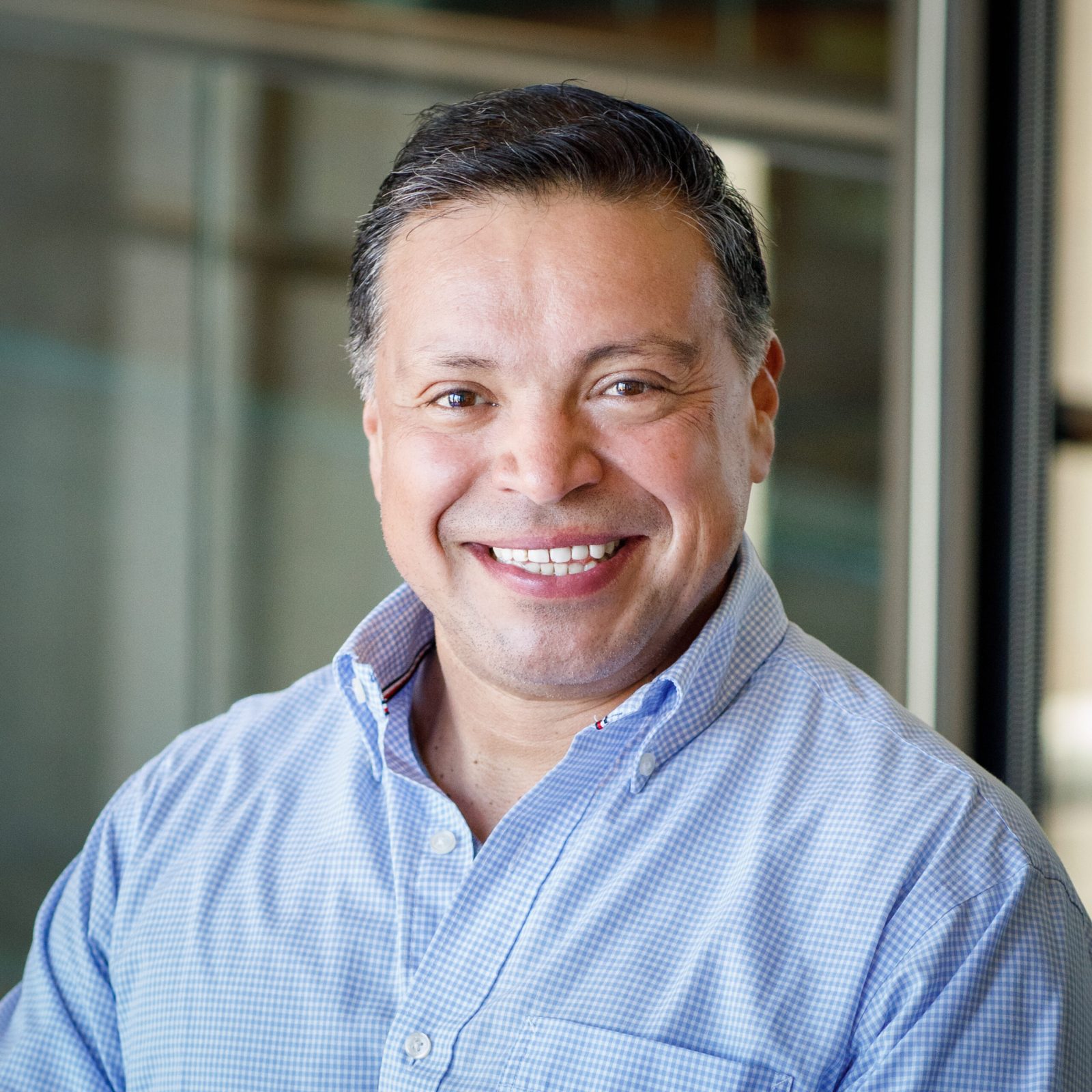
Lesley Bartlett
Professor in Educational Policy Studies and Associate Dean of Regional, International, and Language Studies, University of Wisconsin–Madison
Lesley Bartlett is a professor in Educational Policy Studies and Associate Dean of Regional, International, and Language Studies at the University of Wisconsin–Madison. She is affiliated with Curriculum and Instruction and Latin American, Caribbean, and Iberian Studies (LACIS). An anthropologist by training who works in the field of International and Comparative Education, Bartlett’s teaching and research focus on multilingual literacies, migration, and educator professional development; she has also published widely on ethnographic, case study, and comparative case study research methods.
In 2026-27, Professor Bartlett is serving as President of the Council on Anthropology and Education. From 2020-2023, she co-edited the Anthropology and Education Quarterly with her colleague, Professor Stacey Lee.
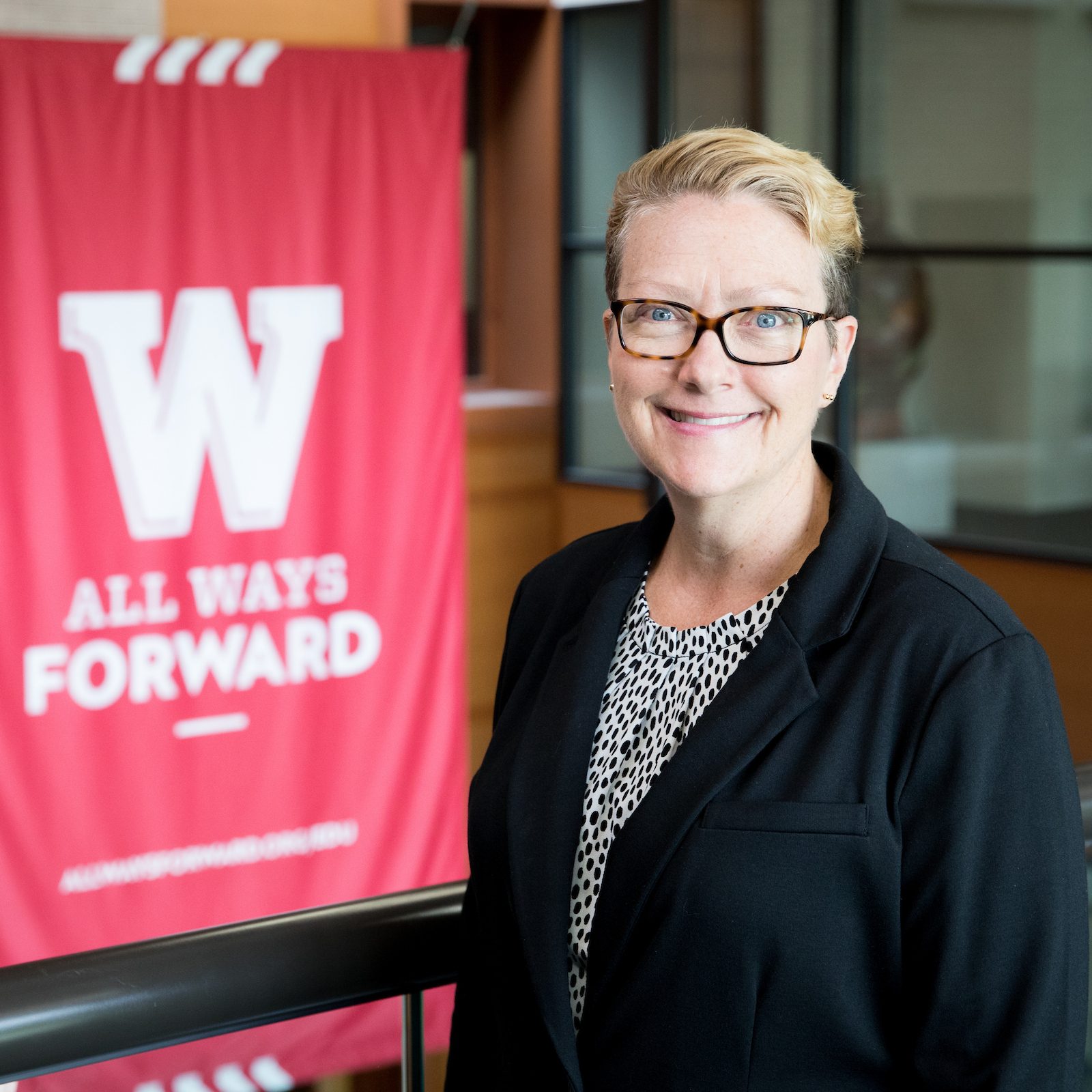
Courtney Bell
Professor of Learning Sciences, University of Wisconsin–Madison
Courtney Bell serves as a professor of Learning Sciences at the University of Wisconsin–Madison. A former high school science teacher, Bell earned her doctorate in Curriculum, Teaching and Educational Policy from Michigan State University and a B.A. in Chemistry from Dartmouth College. She is passionate about understanding and improving teaching for historically underserved children. Her interdisciplinary collaborative work is situated at the intersections of research, policy and practice, spanning issues of parental choice, performance assessments of teaching, international comparisons of teaching, teaching quality, teacher learning, teacher education, and the measurement of teaching.
Bell was proud to lead the international development of two observation systems and serve as a PI on the OECD-organized TALIS Video Study (also called the Global Teaching InSights study). This ground-breaking study was the first of its kind to comprehensively measure teaching quality using observations, artifacts, questionnaires, and student outcomes in eight economies. She is currently engaged in both national and international studies of teaching, teacher education, and teacher learning.
Courtney has collaborated on multiple MLRC projects. She has co-facilitated Research Symposia and advised on the development of the School Improvement Framework. She has also co-authored and co-presented with MLRC colleagues at national and international conferences. As faculty advisor to the SimLab, she is principal investigator on a current study “Toward Simulation-Based Measures of Co-Planning for Student Success” together with Mariana Castro and Jon Nordmeyer.
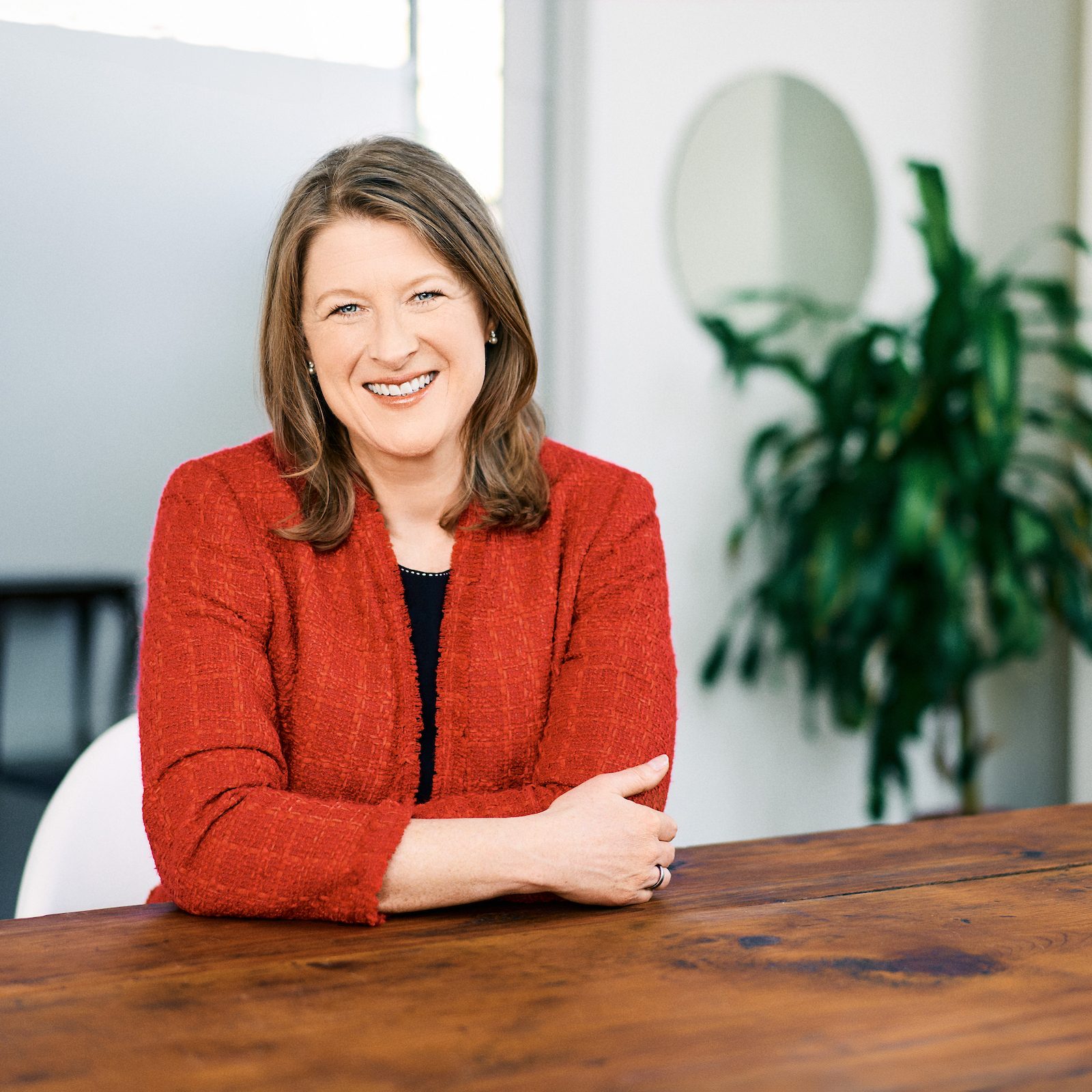
Shamya Karumbaiah
Assistant Professor in the Learning Sciences Area, University of Wisconsin–Madison
Shamya Karumbaiah studies human-centered AI for teaching and learning with the aim to augment human intelligence. Her current research focuses on constructing a scientific and critical understanding of equitable and responsible use of AI in classrooms.
After being a computer scientist for over ten years, she earned a Ph.D. in Learning Sciences from the University of Pennsylvania. Her dissertation empirically investigated sources of biases in AI-based learning systems. Before joining UW–Madison, she spent a year as a postdoc fellow at Carnegie Mellon University where she studied ways to augment teacher practices in human-AI partnered instruction.
Initiated in early 2025, the collaboration between the MLRC and the TRAIL Lab focuses on the intersection of AI and multilingual learning. The partnership aims to help science teachers understand and engage with students who express ideas multilingually (translanguaging), particularly in rural U.S. areas and international schools where bilingual educators are scarce. Together with community partners, schools, and interdisciplinary researchers, they are developing and testing AI tools to safely and effectively support translanguaging in the classroom.
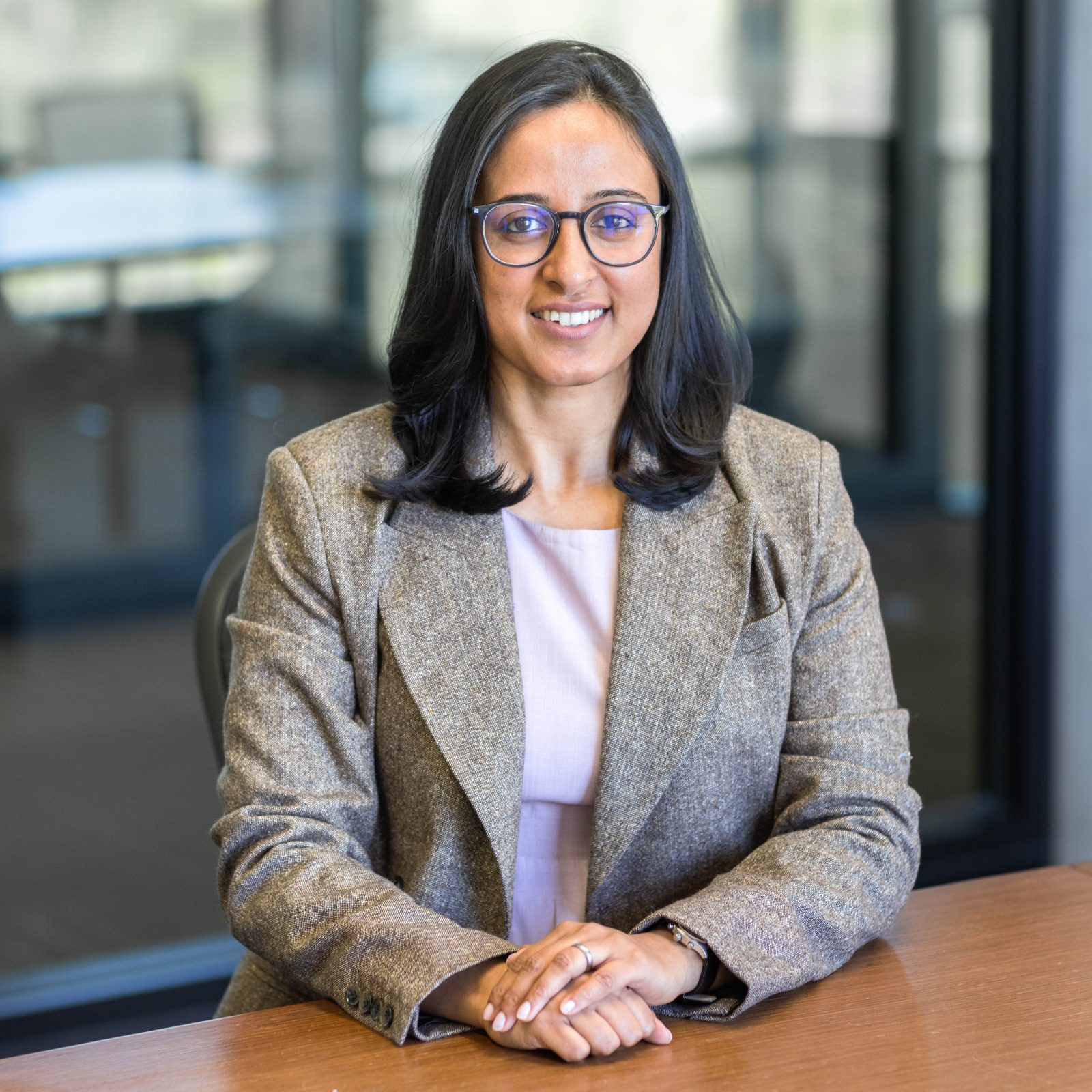
Diego Roman
Associate Professor in Bilingual/Bicultural Education, University of Wisconsin–Madison
Diego Román is an associate professor of Bilingual/Bicultural Education at the Department of Curriculum and Instruction at the University of Wisconsin–Madison. Román holds a B.S. in Agronomy from Zamorano University in Honduras and an M.S. in Curriculum and Instruction from the University of Wisconsin–Whitewater. He also earned an M.S. degree in Biology, an M.A. in Linguistics, and a Ph.D. degree in Educational Linguistics, all from Stanford University.
At the K–12 level, Román taught middle school science to emergent bilinguals for seven years, first in rural Wisconsin and then in San Francisco, California. Román’s research interests are located at the intersection of applied linguistics, bilingual education, and science education. Specifically, he investigates the implicit and explicit ideologies reflected in the design and implementation of bilingual and science education programs particularly on how environmental topics are taught to multilingual students.
He conducts his research from a systemic functional linguistics perspective by analyzing the linguistic and multimodal characteristics of the discourse that take place in bilingual and science classrooms. Román has researched the language used to teach climate change at the middle school level and is currently examining science, environmental, and bilingual programs (Spanish/English and Kichwa/Spanish) in rural Wisconsin and in Ecuador.
He was a 2020 Spencer Foundation/National Academy of Education Postdoctoral fellow. His research has been supported by the National Science Foundation and the Spencer Foundation. Diego has been working with the MLRC on projects related to multilingual learners in rural areas of the U.S. and, with Dr. Shamya Karumbaiah and Dr. Mariana Castro, on how AI can support teachers of multilingual learners.