
The Multilingual Learning Research Center (MLRC) is an interdisciplinary research center with the mission to advance educational outcomes for multilingual learners through innovative and socially just research and research-practitioner partnerships.
Our Focus
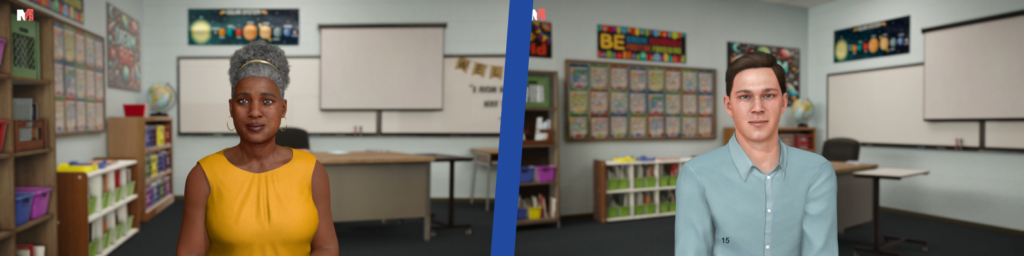
Co-Planning for Student Success
Principal Investigator: Courtney Bell
Co-Investigators: Mariana Castro, Jon Nordmeyer, & Jaelyn Nelson
2026
This study examines how language specialists co-plan with grade-level teachers in mixed-reality simulations. The goal of the study is to understand language specialists’ experiences co-planning and use feedback to support professional learning of important co-planning skills. The study also explores teachers’ emotional experiences and perceptions as they engage in co-planning with a simulated colleague. The study is a collaboration between the MLRC and the Wisconsin Center for Education Research SimLab.
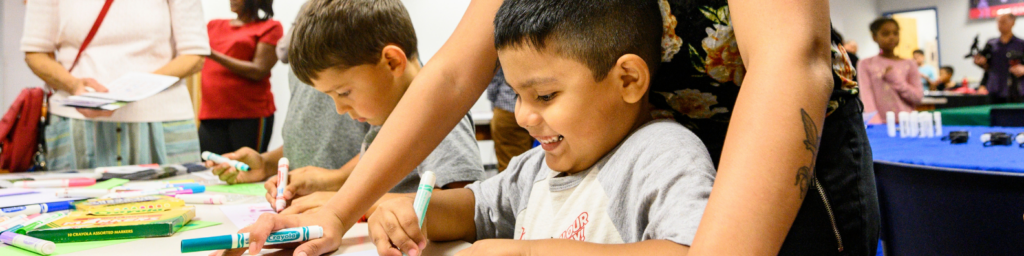
Education on the Move for Children and Youth on the Move
Principal Investigator: Carrie Parker
2026-2027

Blurring the Language Boundaries: AI Support for Translanguaging in Classrooms
Principal Investigator: Shamya Karumbaiah
Co-Investigators: Mariana Castro, Diego Román
2025-2027
This Spencer Foundation funded project will study how well generative AI can help teachers understand and support translanguaging in classrooms. First, we will adapt large language models to work in both Spanish and English. Next, we’ll create a classroom tool that helps identify student ideas shared in any language or form, such as in group talks, writing, or assessments. We’ll test this tool in two Wisconsin middle school science classes with bilingual programs, collecting data like audio, writing, and tool logs. We’ll analyze this data to see how helpful these AI models are for supporting multilingual students.

Transforming Educator and Cooperating Host (TEACH) Partnerships: Enhancing Cooperating Teacher and Preservice Teacher Collaboration Through Mixed-Reality Simulations
Principal Investigator: Mariana Castro
2025-2026
This project will partner with local cooperating teachers to design and pilot mixed-reality simulation to improve cooperating teachers’ mentoring of preservice teachers. Over the course of a semester, participating cooperating teachers will engage in two simulations to practice giving feedback to their preservice teachers. The project is a collaboration between the MLRC, the Mary T. Keller Teacher Education Center, and the Wisconsin Center for Education Research Simulation Lab.
Examining Research Activities within the Multilingual Learning Research Center School Network
Principal Investigator: Esther Bettney Heidt
2024-2029
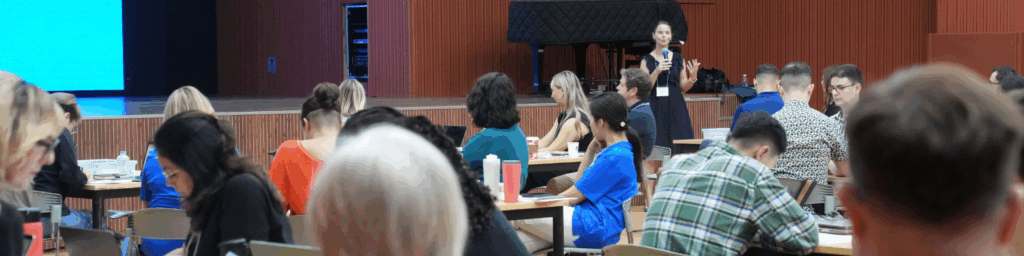
This study examines the engagement of international school educators in research activities within the MLRC School Network. The network is a global research-practice partnership (RPP) that supports research in and with international schools to improve outcomes for multilingual learners. Although RPPs are gaining attention for their potential to bridge the gap between educational research and practice (Coburn et al., 2021), further research is needed to explore the opportunities, challenges, and impacts of teachers’ participation in RPPs. Additionally, this study contributes to the field by studying a global RPP, where most previous RPP research has concentrated on U.S. or other nationally bound RPP contexts.
Preparing Science Teachers Through Mixed-Reality Simulations to Enhance the Access and Engagement of Multilingual Learners in Science Argumentation
Principal Investigator: Mariana Castro
2023-2026
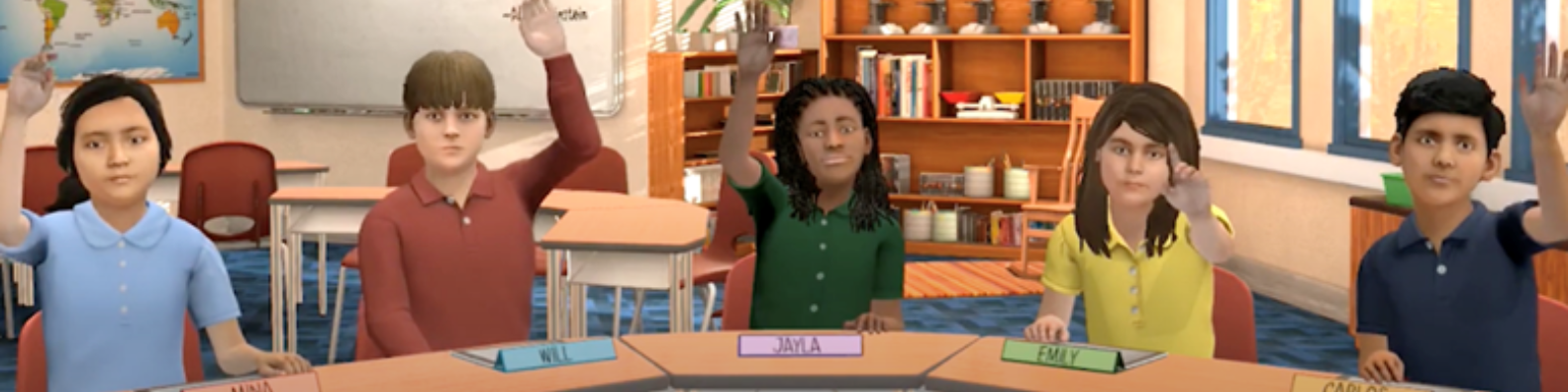
This National Science Foundation-funded study uses mixed methods to examine the validity, reliability, and effectiveness of a tool used in mixed-reality simulation in the training of pre-service and in-service science teachers who serve multilingual learners. The tool integrates language and translanguaging practices into the teaching practice of scientific argumentation.
Strategic Preservice Teacher and Teacher Educator Learning: Mixed-Reality Simulations for Eliciting Student Thinking
Principal Investigator: Mariana Castro
2023-2024
In collaboration with UW-Madison secondary science teaching faculty, MLRC researchers developed and piloted an initial set of simulation tasks for eliciting student thinking. The resulting simulation packet included participant materials, training for mixed-reality actors, and an avatar profile of a multilingual learner. The simulation was successful in allowing teachers to practice the task of eliciting student thinking and identified areas for growth in their instructional practices. For example, participating pre-service teachers generally had a difficult time eliciting student thinking without offering directive feedback or guiding questions. They also had difficulty adjusting language to provide linguistic access to students with intermediate levels of language proficiency. The mixed-reality simulation provided pre-service teacher participants with rich experiences and artifacts (i.e., the recorded and transcribed simulation) for reflection and self-assessment.