
The MLRC School Network has emerged as a true global laboratory in 2026, with more than 270 educators and 130 member schools across 60 countries working together to bridge the gap between academic theory and classroom reality. As the 2025–2026 MLRC Research Symposia across the globe wrap up, we find ourselves reflecting on our global Research-Practice Partnership (RPP) and its role in improving teaching and learning for MLs.
The Reality of the Work: Constraints & Supports
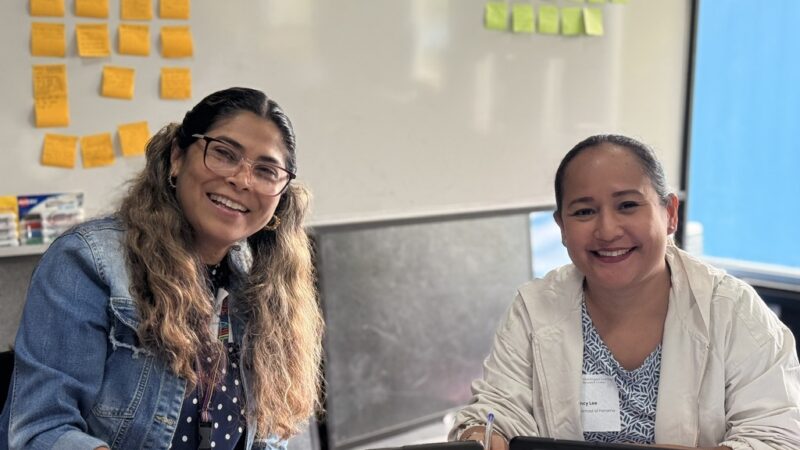
Research Symposium participants attend two-day in-person events that prepare and energize them to implement action research, and then the hardest work happens when participants return to their schools. Preliminary findings in our ongoing study about engagement in action research identified both important outcomes and significant barriers. For example, participants noted action research shifted individual teaching practices and fostered research self-efficacy while contributing to broader school improvements and program evaluations. They identified key barriers such as limited time, competing school priorities, and a need for more individualized mentoring.
The heavy workload of international schools often leaves little room for teachers to engage in the deliberate, intentional work of disciplined inquiry that is the hallmark of action research. To address this challenge with the current 2025–2026 cohort of action researchers, we are providing greater support and scaffolding to sustain school-based inquiry through team development and coaching
- The Power of the Team: Having a cohort of colleagues creates a built-in support system that keeps the momentum going through the busiest months of the semester. Most of our completed action research projects include at least two members.
- Action Research Coaching: We help teams bridge the gap between their initial plan and the “messy” reality of data collection in their daily lives and contexts by providing expert coaching for approximately 4 months after each research symposium.
Capstone Reports: What the Data Tells Us
Each Symposium cohort builds on the work of previous action researchers, including learning from Capstone reports from previous cohorts. Action research findings in one school can provide information and ideas for students and colleagues in classrooms around the world:
- Identifying the Gaps: The American School of Asunción (Paraguay) took an honest look at the “knowledge-practice gap.” Their research showed that while teachers understood theories of translanguaging, they were often limited in their classroom application. They identified understanding and addressing key barriers to implementing translanguaging as an important next step.
- Bridging the Bilingual Divide: Institut Florimont (Switzerland) addressed the divide between French and English literacy instruction in their school. Their research demonstrated that while students often view languages as separate silos, the introduction of co-created bilingual writing booklets fostered greater linguistic transfer and student confidence. They concluded that intentional teacher collaboration is the essential bridge for turning isolated language skills into a cohesive bilingual identity.
By documenting these findings, our member schools are building a library of evidence that will serve the entire international school community. Through the launching of the Dissemination and Implementation Group (DIG) this year, MLRC now provides support post-Capstone to maximize impact, both within local contexts and through the global School Network. Some DIG members have presented at both academic and practitioner conferences and written articles about their research while others have focused on developing new programs or professional learning for their colleagues. The impact of action research can also be seen in promising evidence of growth in research self-efficacy—the confidence to ask a question and find the answer systematically. Research Symposium team members have reported that they feel empowered to lead change at their schools.
The impact of action research can also be seen in promising evidence of growth in research self-efficacy—the confidence to ask a question and find the answer systematically. Research Symposium team members have reported that they feel empowered to lead change at their schools.