
About the NEASC/MLRC Research Symposium
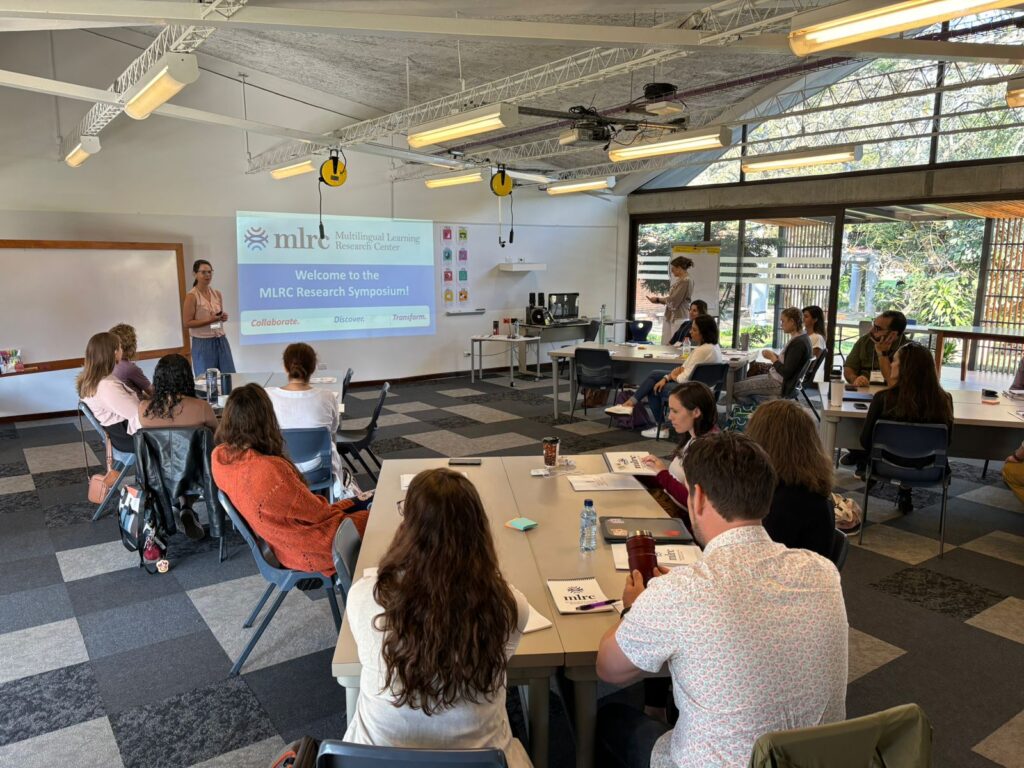
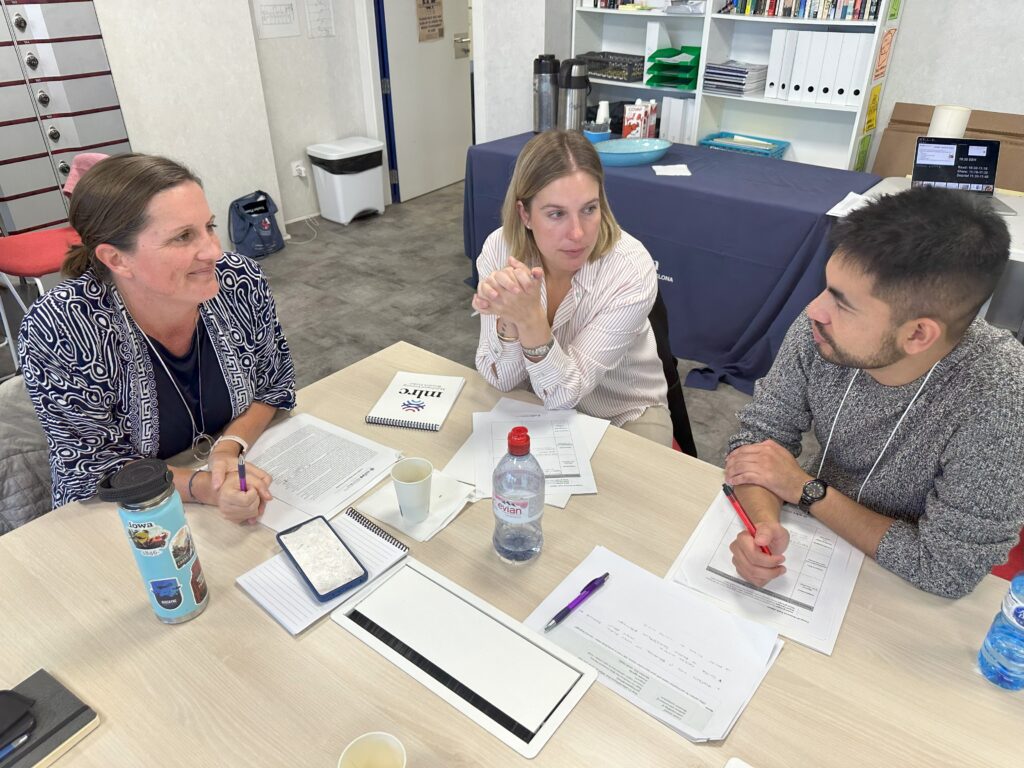
The NEASC/MLRC Research Symposium is a unique opportunity for international educators at NEASC schools to engage deeply in existing research about multilingual learners, connect with global education scholars, inquire together about shared problems of practice, and discuss innovative strategies for serving multilingual learners. Teams will be supported in creating and implementing an action research projects.
The two and half day in-person Research Symposium will be followed by five months of continued action research support and coaching, culminating in a capstone report.
- Participation is invite-only for NEASC schools. Participation includes 15 months of membership with the MLRC School Network.
- For more information contact Sarah Ferrier (MLRC) or Darlene Fisher (NEASC)
- MLRC Research Symposium Participant
Goal
- Design and implement an action research project focused on multilingual learners
- Use tools of systemic inquiry to explore a problem of practice or innovation to scale up
- Build collective efficacy by connecting research insights with local evidence
- Complement the ACE Learning protocol by both deepening and documenting reflective learning
Objectives
- Connect research on teaching multilingual learners to your classroom and school
- Learn together with other researchers and practitioners to improve outcomes for multilingual learners
- Build capacity for school-based inquiry through action research
Cohort Details
- Up to 20 NEASC schools
- 3-5 member interdisciplinary teams (at least one leader)
- Schools work collaboratively as a cohort, sharing learning and evidence across contexts
- In-person training October 30-November 1
- Online support and coaching for action research implementation December – April
Host School Information
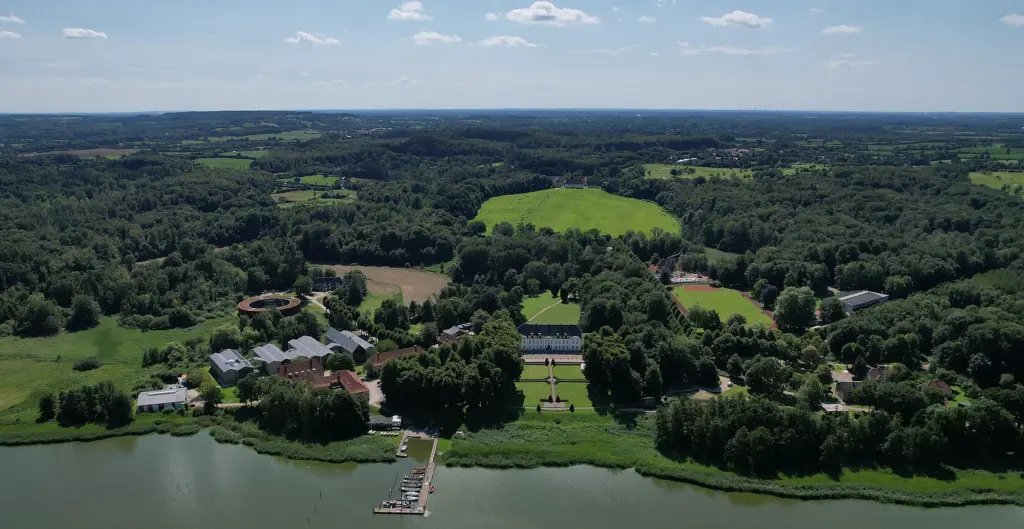
Güby, Schleswig-Holstein, Germany
- IB World School
- Unique boarding school campus
- State-of-the-art infrastructure for research-based learning
A Unique Opportunity: Where ACE Learning Principles Meet Action Research
ACE Learning Principles
Structures for School-Wide Improvement
- 10 Learning Principles as a coherent framework
- Evidence of Impact guiding school decisions
- Collaborative Internal Reflection process
- Major Learning Plans driving sustained change
The Convergence
- Sustained culture of action research
- Teacher & leadership capacity growth
- Improved learning outcomes
- School-to-school collaborative learning
A unique opportunity for every school in the cohort
ML Research Focus
Practitioner-Led Multilingual Action Research
- Context-specific problems of practice for MLs
- Teacher self-efficacy & collective leadership
- Structured, practitioner-led research design
- 150+ international schools in MLRC School Network
The highlighted Learning Principles were chosen to give context to your action research projects at the NEASC/MLRC Research Symposia:
Learning Principle 5: Learner Autonomy and Engagement
Learners have age-appropriate, goal-oriented autonomy over their learning and make informed choices supported by guidance within and beyond the classroom.
Learning Principle 6: Research, Reflection, and Action
The learning community applies current research, connects with other learning communities, and uses future-oriented thinking to improve learning for all. The learning community evaluates the results of its actions and pursues questions about future innovations, including Artificial Intelligence tools, that prepare learners to shape their present and future. Likewise, learners analyze the results of their efforts and collaborate with peers to improve and extend their learning.
Learning Principle 7: Inclusion, Diversity, Equity, and Belonging
The learning community exhibits a culture of inclusiveness that enables the diverse needs, identities, and interests of all learners and community members to be acknowledged, actively celebrated, and proactively addressed. Differing viewpoints and opinions are invited in pursuit of an informed and welcoming community.
Action Research at the Research Symposia
Listen to teams from the 2024-2025 Research Symposia talk about their experience with action research at the Symposia and the impact at their schools.
Symposium Agenda
Thursday, 29 Oct
Teams arrive in Hamburg
Afternoon
Busses from Hamburg to Louisenlund (to be scheduled)
7:00
Dinner and social
Friday, 30 Oct
7:30 – 8:30
Registration & Breakfast
8:30 – 9:00
Welcome & Introductions
9:00 – 10:15
NEASC Connections & ACE Learning Principles
10:15 – 10:45
BREAK
10:45 – 12:00
NEASC Connections & Action Research
12:00 – 1:00
LUNCH
1:00 – 2:15
Sharing Research Insights:
- Translanguaging
- Collaboration
- Inclusive EAL
2:15 – 2:45
BREAK
2:45 – 4:00
Hands On: Demystifying Research
Saturday, 31 Oct
7:30 – 8:30
Reconnect & Breakfast
8:30 – 9:00
Looking Back & Looking Ahead
9:00 – 10:15
Team Focus: Choosing a Topic & Diving Deeper
10:15 – 10:45
BREAK
10:45 – 12:00
Sharpening Your Focus: Writing and Refining Research Questions
12:00 – 1:00
LUNCH
1:00 – 2:15
Making Connections: Glocal Scholar Insights
2:15 – 2:45
BREAK
2:45 – 4:00
Designing Your Study: Literature Review, Methodology and Ethical Considerations
Sunday, 1 Nov
7:30 – 8:30
Reconnect & Breakfast
8:30 – 9:45
Team Focus: Making an Action Research Plan
9:45 – 10:15
BREAK
10:15 – 12:00
Concluding Session: Team Presentations
12:00
Packed lunch and busses to Hamburg
Post-Research Symposium
Action Research Support & Coaching
The MLRC provides ongoing support for teams through online tools and resources available through the MLRC School Network Member Hub. Additionally, the MLRC and NEASC support cohorts in the following ways:
Synchronous Zoom webinars to support teams’ ongoing action research projects, focused on key topics such as connecting to the ACE Learning Protocol, addressing common barriers, data collection, and data analysis.
All webinars are recorded to allow for asynchronous engagement if teams are unable to attend the live sessions.
- Action research coaches are available to support teams through mentoring and guidance on project design and implementation.
- Schools can request up to two video coaching calls. There is no additional fee; this support is included in the cost of the Research Symposium.
- At the end of the school year, teams are invited to share their findings through a Capstone report, published in the MLRC School Network Member Hub.
- The goal is for all teams to share what they learned, how their findings can impact their school, and possible next steps.
- Individuals from successful teams can apply for a digital badge in MLRC Action Research from the University of Wisconsin-Madison.
- Teams are encouraged to consider writing articles and/or presenting at regional conferences to share findings from their action research as well as lessons learned.
- The MLRC will support teams that complete Capstone reports with additional scaffolding to write and present. Teams may be offered the opportunity to co-write articles and/or co-present at conferences with the MLRC team.
Action Research Coaching
Action research coaches are an optional additional service for teams participating in action research. Attending the Research Symposium and engaging in the synchronous and asynchronous follow-up support provides tools, scaffolding, and accountability for teams designing and doing action research. Schools can request up to two video coaching calls. There is no additional fee; this support is included in the cost of the Research Symposium.
The coach for NEASC/MLRC cohort will be Dr. Paul Magnuson who brings a wealth of experience teaching multilingual learners and engaging in research within this field. For more details about the opportunity to partner with a MLRC Action Research coach, please contact mlrc@wcer.wisc.edu.
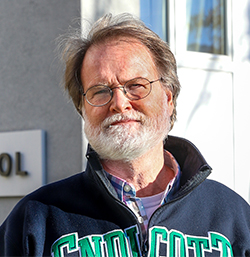
Dr. Paul Magnuson has been supporting action research as professional development for over a decade in the research department he created at the Leysin American School. He has furthered his interest as chair of the special interest group “Research Based Schools” of ECIS and most recently by starting Sandcastle, a cohort model offering free collaborative support to teachers working on independent projects across the world. He has a Phd in Curriculum & Instruction, blogs frequently, and attributes his creative approaches to over 20 years of summer camp experience from Minnesota to Rwanda and from 7-year olds to grandmas and grandpas.
Action Research
Watch the video below to hear examples of teams’ planned action research projects.
Capstone reports are available on the Hub for School Network members.
